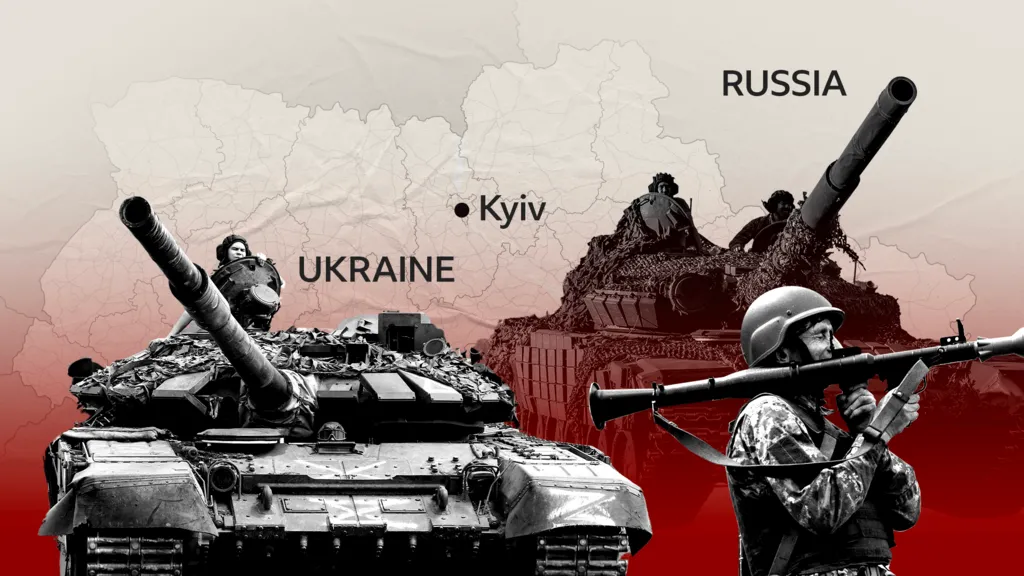
The ongoing conflict between Russia and Ukraine, which escalated into a full-scale invasion by Russia in February 2022, is one of the most significant geopolitical crises of the 21st century. This report delves into the historical roots, current dynamics, and broader implications of the conflict while exploring its humanitarian, economic, and global security impacts.
Historical Context
1. Origins of the Tensions
- Soviet Legacy: Ukraine was part of the Soviet Union until its dissolution in 1991. Following independence, Ukraine sought closer ties with Europe while managing complex relations with Russia.
- 2004 Orange Revolution: Pro-European sentiment in Ukraine grew, culminating in the Orange Revolution, which opposed Russian-backed leadership.
- Crimea and Eastern Ukraine (2014): Russia annexed Crimea and supported separatist movements in the Donetsk and Luhansk regions after Ukraine's pivot toward Europe. These actions laid the groundwork for the current conflict.
2. NATO and the West
- Ukraine’s aspirations to join NATO and the European Union have been a source of contention. Russia views these moves as a threat to its influence and security in the region.
Current Conflict
1. February 2022 Invasion
- Russia launched a large-scale invasion of Ukraine under the pretext of "denazifying" and "demilitarizing" the country, framing it as a defensive measure against NATO expansion.
- Ukrainian forces, bolstered by Western military aid, mounted a strong resistance, preventing a quick Russian victory.
2. Military Dynamics
- Russia’s Approach: Large-scale bombardments, targeting civilian infrastructure, and attempts to seize key cities like Kyiv, Kharkiv, and Mariupol.
- Ukraine’s Defense: Ukraine has employed guerrilla tactics, Western-supplied weapons, and strategic counteroffensives, reclaiming territories such as Kherson.
3. Hybrid Warfare
- Russia has employed cyberattacks, disinformation campaigns, and economic tools (e.g., energy leverage) to destabilize Ukraine and weaken Western resolve.
Humanitarian Impact
1. Civilian Casualties and Displacement
- Thousands of civilians have been killed or injured, with millions displaced internally and externally.
- The conflict has created one of the largest refugee crises in Europe since World War II.
2. Human Rights Violations
- Reports of war crimes, including mass executions, targeting of civilian infrastructure, and sexual violence, have drawn international condemnation.
3. Global Food Security
- Ukraine, a major exporter of grains, has faced disrupted agricultural production and exports, exacerbating food shortages in vulnerable regions worldwide.
Economic Consequences
1. Ukraine’s Economy
- Severe economic contraction due to infrastructure destruction, loss of industrial capacity, and displacement of labor.
- Dependency on international aid and loans for survival and reconstruction.
2. Russia’s Economy
- While sanctions have isolated Russia from Western financial systems and markets, its economy has shown resilience, buoyed by energy exports to Asia and other non-Western partners.
3. Global Repercussions
- Rising energy prices, inflation, and economic uncertainty have affected global markets, particularly in Europe, which is heavily reliant on Russian energy.
Geopolitical Implications
1. Russia’s Isolation
- Russia faces unprecedented international isolation, with sanctions and diplomatic expulsions reducing its influence in Europe and beyond.
2. Western Unity
- NATO and the EU have displayed remarkable unity, bolstering Ukraine with military, economic, and humanitarian support. Finland and Sweden’s moves to join NATO mark a shift in European security dynamics.
3. China’s Role
- China has maintained a cautious stance, supporting Russia diplomatically while avoiding direct violations of Western sanctions.
4. Global South
- Many nations in Africa, Asia, and Latin America remain neutral, balancing relations with both the West and Russia.
Key Challenges
1. Prolonged Conflict
- The conflict shows no signs of resolution, with entrenched positions on both sides.
- Prolongation risks further humanitarian and economic devastation.
2. Reconstruction
- Rebuilding Ukraine will require significant international cooperation and investment, with estimates running into hundreds of billions of dollars.
3. Escalation Risks
- The potential use of nuclear weapons or further escalation into a wider European or global conflict remains a major concern.
Possible Resolutions
1. Diplomatic Efforts
- Peace talks mediated by neutral countries could provide a path to ceasefire and eventual resolution.
- However, trust deficits and differing goals hinder progress.
2. Security Guarantees
- Ukraine requires robust security guarantees to deter future aggression while addressing Russia’s security concerns through negotiated agreements.
3. Reintegrating Crimea and Donbas
- Resolving the status of Crimea and the Donbas remains contentious, with potential compromises involving autonomy or special status.
Conclusion
The Russia-Ukraine conflict is a pivotal moment in global history, reshaping alliances and highlighting the fragility of the international order. Its resolution will require sustained global engagement, innovative diplomacy, and unwavering commitment to humanitarian principles. The world’s response will not only determine Ukraine’s future but also set a precedent for addressing aggression and preserving sovereignty in an era of renewed great-power competition.


No comments:
Post a Comment
Note: Only a member of this blog may post a comment.