Translate

Sunday, December 15, 2024

Unraveling Complex Power Dynamics: Beyond the Deep State Concept

Understanding Systemic Influence in Modern Governance


The concept of a "deep state" represents far more than conspiratorial whispers—it's a nuanced exploration of how power truly operates in complex societal systems. This article aims to dissect the intricate mechanisms of institutional influence, moving beyond simplistic narratives to provide a sophisticated understanding of how interconnected networks shape our political and economic landscapes.

Deep State: A Thriller


The Evolution of Institutional Power


Historically, power has never been straightforward or transparent. From ancient imperial courts to modern democratic systems, influential networks have consistently existed beneath official governmental structures. The "deep state" concept provides a contemporary lens to examine these long-standing dynamics.


Defining Systemic Influence


Rather than a monolithic conspiracy, systemic influence represents a complex web of interactions between:


1. Governmental Institutions: Bureaucratic agencies with long-term mandates

2. Corporate Entities: Organizations with significant economic and political leverage

3. Information Networks: Media and technological platforms that shape public perception

4. Financial Ecosystems: Global economic systems that transcend national boundaries


 Mechanisms of Institutional Influence


1. Structural Interconnectedness


Institutions don't operate in isolation. The "revolving door" phenomenon illustrates this perfectly—where professionals move between government roles and private sector positions, creating natural conduits for information and strategic alignment.


Example: A defense department official might transition to a leadership role in a major aerospace corporation, bringing intimate knowledge of governmental procurement processes and strategic priorities.


2. Economic Leverage


Corporations wield significant influence through:

- Sophisticated lobbying strategies

- Strategic campaign contributions

- Economic impact assessments

- Policy research and recommendation frameworks


 3. Information Control


Modern technology has transformed how influence operates. Digital platforms and media ecosystems can shape narratives, influence public opinion, and create nuanced perception management strategies.


Sector-Specific Influence Patterns


Technology Sector

Tech giants like Google, Meta, and Amazon don't just provide services—they create infrastructures that fundamentally reshape societal interactions. Their data collection capabilities offer unprecedented insight into human behavior.


Financial Services

Institutions like BlackRock and Goldman Sachs operate as de facto global economic policy architects. Their investment strategies can influence entire national economies.


Defense and Security

Military-industrial complexes demonstrate how corporate and governmental interests can become deeply intertwined, potentially perpetuating systemic dynamics that extend beyond immediate national security needs.


Critical Analytical Perspectives


It's crucial to approach these dynamics with nuanced critical thinking:


1. Recognize Complexity: Avoid reducing systemic influences to simplistic conspiracy theories

2. Seek Transparency: Advocate for robust institutional accountability

3. Understand Systemic Incentives: Examine the structural motivations behind institutional behaviors


Potential Societal Implications


The persistent interaction between governmental and corporate entities can:

- Potentially limit genuine democratic participation

- Create barriers to transformative policy changes

- Concentrate economic and political power among select networks


 A Path Forward: Constructive Engagement


Understanding these dynamics isn't about generating paranoia but promoting:

- Enhanced civic education

- Robust investigative journalism

- Transparent governance mechanisms

- Active citizen participation in democratic processes


Conclusion: Complexity as Opportunity


The "deep state" isn't a shadowy cabal but a reflection of our interconnected, complex societal systems. By developing sophisticated analytical frameworks, we can transform our understanding from passive observation to active, constructive engagement.


The real power lies not in exposing supposed conspiracies, but in understanding systemic dynamics and working collectively to create more transparent, equitable governance models.

Thursday, December 12, 2024

A Holistic Report on the Russia-Ukraine Conflict

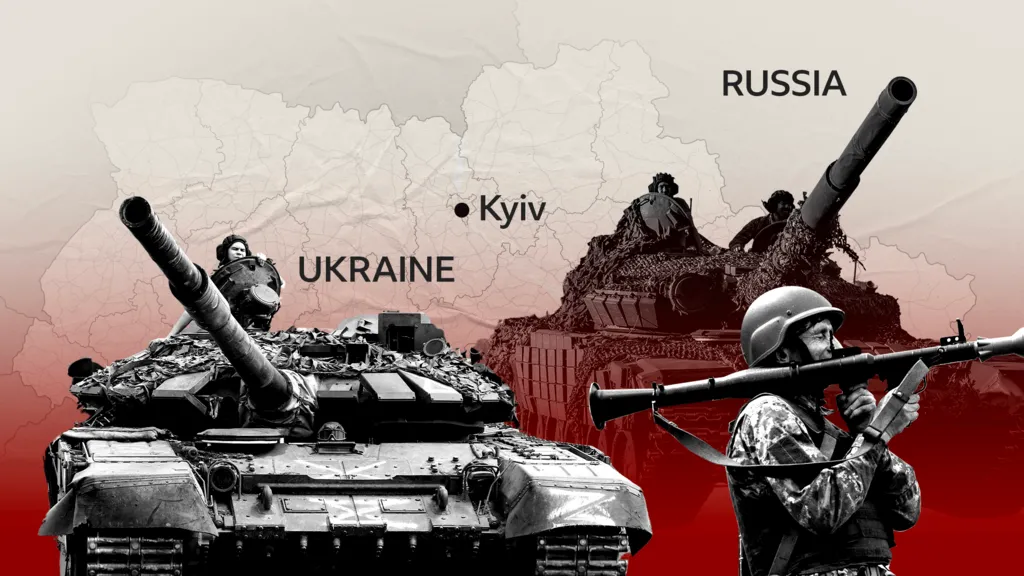
 The ongoing conflict between Russia and Ukraine, which escalated into a full-scale invasion by Russia in February 2022, is one of the most significant geopolitical crises of the 21st century. This report delves into the historical roots, current dynamics, and broader implications of the conflict while exploring its humanitarian, economic, and global security impacts.

Russia Ukraine war


Historical Context

1. Origins of the Tensions

  • Soviet Legacy: Ukraine was part of the Soviet Union until its dissolution in 1991. Following independence, Ukraine sought closer ties with Europe while managing complex relations with Russia.
  • 2004 Orange Revolution: Pro-European sentiment in Ukraine grew, culminating in the Orange Revolution, which opposed Russian-backed leadership.
  • Crimea and Eastern Ukraine (2014): Russia annexed Crimea and supported separatist movements in the Donetsk and Luhansk regions after Ukraine's pivot toward Europe. These actions laid the groundwork for the current conflict.

2. NATO and the West

  • Ukraine’s aspirations to join NATO and the European Union have been a source of contention. Russia views these moves as a threat to its influence and security in the region.


Current Conflict

1. February 2022 Invasion

  • Russia launched a large-scale invasion of Ukraine under the pretext of "denazifying" and "demilitarizing" the country, framing it as a defensive measure against NATO expansion.
  • Ukrainian forces, bolstered by Western military aid, mounted a strong resistance, preventing a quick Russian victory.

2. Military Dynamics

  • Russia’s Approach: Large-scale bombardments, targeting civilian infrastructure, and attempts to seize key cities like Kyiv, Kharkiv, and Mariupol.
  • Ukraine’s Defense: Ukraine has employed guerrilla tactics, Western-supplied weapons, and strategic counteroffensives, reclaiming territories such as Kherson.

3. Hybrid Warfare

  • Russia has employed cyberattacks, disinformation campaigns, and economic tools (e.g., energy leverage) to destabilize Ukraine and weaken Western resolve.

Humanitarian Impact

1. Civilian Casualties and Displacement

  • Thousands of civilians have been killed or injured, with millions displaced internally and externally.
  • The conflict has created one of the largest refugee crises in Europe since World War II.

2. Human Rights Violations

  • Reports of war crimes, including mass executions, targeting of civilian infrastructure, and sexual violence, have drawn international condemnation.

3. Global Food Security

  • Ukraine, a major exporter of grains, has faced disrupted agricultural production and exports, exacerbating food shortages in vulnerable regions worldwide.


Economic Consequences

1. Ukraine’s Economy

  • Severe economic contraction due to infrastructure destruction, loss of industrial capacity, and displacement of labor.
  • Dependency on international aid and loans for survival and reconstruction.

2. Russia’s Economy

  • While sanctions have isolated Russia from Western financial systems and markets, its economy has shown resilience, buoyed by energy exports to Asia and other non-Western partners.

3. Global Repercussions

  • Rising energy prices, inflation, and economic uncertainty have affected global markets, particularly in Europe, which is heavily reliant on Russian energy.


Geopolitical Implications

1. Russia’s Isolation

  • Russia faces unprecedented international isolation, with sanctions and diplomatic expulsions reducing its influence in Europe and beyond.

2. Western Unity

  • NATO and the EU have displayed remarkable unity, bolstering Ukraine with military, economic, and humanitarian support. Finland and Sweden’s moves to join NATO mark a shift in European security dynamics.

3. China’s Role

  • China has maintained a cautious stance, supporting Russia diplomatically while avoiding direct violations of Western sanctions.

4. Global South

  • Many nations in Africa, Asia, and Latin America remain neutral, balancing relations with both the West and Russia.


Key Challenges

1. Prolonged Conflict

  • The conflict shows no signs of resolution, with entrenched positions on both sides.
  • Prolongation risks further humanitarian and economic devastation.

2. Reconstruction

  • Rebuilding Ukraine will require significant international cooperation and investment, with estimates running into hundreds of billions of dollars.

3. Escalation Risks

  • The potential use of nuclear weapons or further escalation into a wider European or global conflict remains a major concern.

Possible Resolutions

1. Diplomatic Efforts

  • Peace talks mediated by neutral countries could provide a path to ceasefire and eventual resolution.
  • However, trust deficits and differing goals hinder progress.

2. Security Guarantees

  • Ukraine requires robust security guarantees to deter future aggression while addressing Russia’s security concerns through negotiated agreements.

3. Reintegrating Crimea and Donbas

  • Resolving the status of Crimea and the Donbas remains contentious, with potential compromises involving autonomy or special status.


Conclusion

The Russia-Ukraine conflict is a pivotal moment in global history, reshaping alliances and highlighting the fragility of the international order. Its resolution will require sustained global engagement, innovative diplomacy, and unwavering commitment to humanitarian principles. The world’s response will not only determine Ukraine’s future but also set a precedent for addressing aggression and preserving sovereignty in an era of renewed great-power competition.

Tuesday, December 10, 2024

The Future of NATO: Navigating Challenges and Evolving Roles in Global Security

The North Atlantic Treaty Organization (NATO), founded in 1949 as a bulwark against Soviet aggression, stands at a critical juncture in its history. The post-Cold War era has seen NATO evolve from a collective defense alliance into a multifaceted organization addressing a range of global security challenges. However, the future of NATO is fraught with complexities, including its relationships with Russia and China, internal dynamics among member states, and its overarching role in a rapidly shifting geopolitical landscape.

NATO Flag

Challenges Facing NATO

1. Reasserting Relevance in a Multipolar World

NATO's original purpose—defending Europe against Soviet threats—has largely been replaced by broader missions such as counterterrorism, cyber defense, and crisis management. This evolution raises questions about NATO's adaptability and its ability to remain relevant in a multipolar world where threats are less conventional and more asymmetric.

2. Member State Disagreements

Internal divisions among member states are a recurring challenge. From defense spending disparities to differing views on military interventions, NATO often struggles to present a unified front. The U.S. continues to shoulder a disproportionate share of the financial burden, leading to tensions with European allies.

3. Emerging Technologies and Cybersecurity

The rise of advanced technologies, including artificial intelligence and cyber warfare, has introduced new dimensions of conflict. NATO must develop comprehensive strategies to address these modern threats, which often transcend national borders and traditional military frameworks..


NATO’s Relationship with Russia

Russia remains a focal point of NATO’s strategic concerns. Following the annexation of Crimea in 2014 and ongoing tensions in Eastern Europe, NATO has bolstered its presence in the region. The buildup of forces along NATO’s eastern flank and the establishment of new battle groups reflect its commitment to collective defense.

However, this relationship is marked by a delicate balance. While NATO seeks to deter Russian aggression, it must also engage in dialogue to avoid escalation. Russia views NATO's expansion as a direct threat, exacerbating the mistrust that defines this adversarial relationship.


NATO’s Stance on China

China presents a unique challenge for NATO, which traditionally focused on Euro-Atlantic security. Beijing's growing economic and military influence, along with its strategic partnerships with Russia, has drawn NATO's attention. The 2021 NATO Strategic Concept identified China as a potential challenge to the alliance’s interests, particularly in areas such as cyber threats, technology, and global maritime security.

However, managing China requires a nuanced approach. Unlike Russia, China does not directly confront NATO militarily but instead leverages its economic power and technological advancements to reshape global norms. NATO’s ability to address this indirect yet pervasive influence will define its role in the Asia-Pacific region.


NATO’s Role in Maintaining Global Security

In an increasingly unstable world, NATO's role in maintaining global security remains vital. The alliance's ability to coordinate collective defense, build partnerships, and respond to emerging threats makes it a cornerstone of international stability. However, its future success depends on its adaptability and unity.

  1. Strengthening Partnerships NATO has expanded its partnerships beyond member states, engaging with countries like Australia, Japan, and South Korea. These partnerships could play a critical role in countering global challenges, including those posed by China.

  2. Focusing on Climate Security Climate change is emerging as a security issue, with implications ranging from resource scarcity to displacement. NATO must integrate environmental considerations into its strategic planning.

  3. Reforming Decision-Making Processes Streamlining decision-making within NATO will be essential for addressing fast-moving crises. Consensus-based approaches, while integral to the alliance, must evolve to ensure timely responses to modern threats.


AD

Conclusion

The future of NATO hinges on its ability to adapt to an unpredictable geopolitical environment. By addressing internal divisions, fostering resilience against emerging threats, and balancing its relationships with major powers like Russia and China, NATO can continue to play a pivotal role in global security. As the world shifts toward greater complexity, NATO’s commitment to collective defense and its evolution as a versatile security organization will be tested like never before.


Unraveling Complex Power Dynamics: Beyond the Deep State Concept

Understanding Systemic Influence in Modern Governance The concept of a "deep state" represents far more than conspiratorial whispe...